Perth households treat extras cover as a kind of dental insurance, then discover in October that the annual limit vanished on two crowns and a night guard. The brochure said “extras include dental”. It did not say how little of a molar that sentence buys, or that hospital cover — the product people actually compare on comparison sites — will not touch a filling in Joondalup or Fremantle.
This is a map of the product, not a ranking of funds. Dentist Perth does not take commission on policies. If you want a clinic, start with how to choose a dentist in Perth. If you want the money to behave, stay here.
Hospital cover is not extras
Australian private health insurance splits into hospital and extras, sometimes sold as a combined policy. Hospital cover can contribute when you are admitted — typically wisdom teeth under general anaesthetic, or oral surgery in a day hospital. It does not pay for the Tuesday scale and clean, the cracked cusp, or the child’s fissure sealants.
Extras (also called general treatment) is the product that may rebate preventive and general dental, and sometimes major dental, after a waiting period and up to an annual limit. Optical, physio and ambulance often sit on the same ladder. A cheap combined policy can look generous until you read the dental table: sixty per cent of a schedule the clinic does not use, with a $400 general-dental cap.
If you hold hospital-only cover, you are uninsured for ordinary dentistry. That is not a trick. It is how the Private Health Insurance Act carved the market. People in WA mix this up because “I’ve got private health” is a single sentence and dentistry is several products.
What HICAPS actually does
Most Perth practices that take extras use HICAPS or a similar claiming terminal. You swipe or tap the membership card. The clinic sends item numbers. The fund returns a rebate in seconds. You pay the gap — the difference between the clinic fee and the fund payment — on the same invoice.
HICAPS is a rail, not a discount. It does not mean the dentist is “with” your fund in a clinical sense. It means the terminal and the membership number talk to each other. A practice that cannot claim on the spot is not automatically worse; you may pay in full and claim later through the fund app. That is slower, and it is how people forget.
Ask reception three things before the first visit:
- Do you process extras claims at the desk?
- Can you estimate the gap if I give you my fund and table?
- Will you itemise the Australian Dental Association item numbers so I can check the same quote with the fund?
The last question matters because two quotes that both say “exam and clean, about $180 gap” may be built from different items. Bitewings, an OPG, a fluoride varnish and a “comprehensive” examination are not the same basket as a simple check and a polish.
Then call the fund and read the same items back. The two numbers should be in shouting distance. If they are not, someone is guessing, or the membership is still inside a waiting period.
Preferred providers, and the quiet steer
Funds publish preferred-provider, members-choice or agreement-clinic lists. At those practices the fund has agreed a schedule. The gap on some items shrinks. On a handful of preventive items it can drop to zero. That is real money, especially for a family of four who only need examinations and cleans.
It is also a distribution channel. Corporate groups buy their way onto lists. Independent clinics in Midland or Willagee may do excellent work and sit off-network. A smaller gap is not a clinical endorsement, and a larger gap is not a warning. Our editorial standards exist because health marketing and journalism are different trades; a logo on a fund website is marketing.
If the preferred clinic is a twenty-minute drive on a good Mitchell Freeway morning and forty on a bad one, calculate the real cost. Parking in West Perth, a missed school pickup in Canning Vale, a second visit because the book runs late — extras do not rebate those.
Ask whether “preferred” applies to the dentist you will actually see, or only to the brand on the awning. Some groups roster contractors. The agreement follows the provider number, not the Instagram tile.
Waiting periods are doing a job
Waiting periods exist so people do not join on Monday and claim a bridge on Friday. Typical patterns, which you must confirm on your own policy:
- Preventive and general dental: often two months.
- Major dental — crowns, bridges, dentures, sometimes implants: often twelve months.
- Pre-existing conditions: some funds apply extra rules or refuse the item.
Switching funds can be kinder than it looks if you use a transfer certificate and keep equivalent cover. Dropping extras for six months and rejoining is how you reset the clock. FIFO workers who let extras lapse between swing contracts do this by accident.
A waiting period is not a clinical delay. You can still sit in a chair in Subiaco tomorrow. You will simply pay the clinic fee. If the tooth cannot wait, pay it, then ask the fund in writing whether any of the invoice can be claimed later. Do not delay a spreading infection because a brochure mentioned February.
For pain tonight, skip the product and use the emergency dentist guide. Insurance questions keep.
Annual limits, and the October problem
Extras dental is capped. A common pattern in 2025–26 quotes is a few hundred dollars for general dental and a separate, sometimes higher, cap for major dental — or one combined pot. Families may have a per-person limit and a policy maximum. None of these numbers is a clinical budget. They are product ceilings.
A single crown in Perth often costs more than a modest general-dental limit. Two children who need fillings in the same calendar year can empty a family pot before the royal show. People discover this in spring because they delayed the check-up until extras “reset”, then booked everyone in the school holidays.
Ask the fund for:
- the remaining general and major dental balances
- whether the limit is per person or shared
- whether preventive items have a sub-limit or a visit cap (two cleans a year is common)
- the date the limit refreshes — calendar year and membership year are not always the same
Then ask the clinic to phase work. A written plan that separates urgent, necessary-but-scheduled, and optional cosmetic items is how you stop October from choosing your dentistry. The costs and cover hub exists for the same reason: money and teeth have different calendars.
Broad Perth private fees in 2025–26, as estimates only: a comprehensive examination with bitewings often lands somewhere in the low-to-mid hundreds of dollars before extras; a straightforward scale and clean can sit in a similar band or a little lower; a simple filling is often a few hundred; a crown commonly runs well over a thousand and sometimes much more once a laboratory is involved. Your invoice will differ. Suburbs differ. Materials differ.
The no-gap clean is a marketing item
“No-gap scale and clean” is the sentence on tram-stop ads from Joondalup to Cockburn. At a preferred clinic, on a listed item, after the waiting period, with limit remaining, the fund may pay the entire scheduled fee for that clean. You leave without tapping your card for that line.
You may still pay for the examination. You may still pay for radiographs. You may be told, on the same visit, that you “need” a night guard, whitening, or a suite of fillings the clean did not reveal last year. A zero-gap polish is not a diagnosis, and it is not a promise that the rest of the mouth is cheap.
Treat the promotion as a discount on one preventive item. Sit through the examination as if you were paying full fee — because for everything else, you probably are. If the conversation leaps from a no-gap clean to a smile makeover, you are in a sales meeting. Our piece on questions to ask before you book treatment is the follow-up script.
Some funds also advertise no-gap dental check-ups for children on selected tables. Read the age rule, the item list and the annual visit cap. Then check whether the Child Dental Benefits Schedule in Western Australia already covers the same work through Medicare. Using CDBS first can leave extras intact for an adult who actually needs the crown.
Children, extras and the schedule you already paid for
CDBS is not extras. It is a Commonwealth Medicare benefit for eligible children, with a two-year cap published by Services Australia. A private clinic can claim it if they participate. A school dental service is a different door again.
Families with extras and an eligible child sometimes claim the private product out of habit and empty a limit that an adult will need in November. Ask the clinic which pot they intend to use. Ask Services Australia or the Medicare online account what balance remains. Then decide. There is a longer explanation in the CDBS piece; the short version is that you should not pay a fund gap for a child’s filling if a Medicare benefit is sitting unused.
If money is tight even after extras, read public versus private dental care in Western Australia and finding lower-cost and bulk-billing dental care in Perth. Concession pathways and university clinics are slower than a preferred-provider clean. They are also how people finish necessary work without a credit card.
Implants, “major dental”, and the sentence funds bury
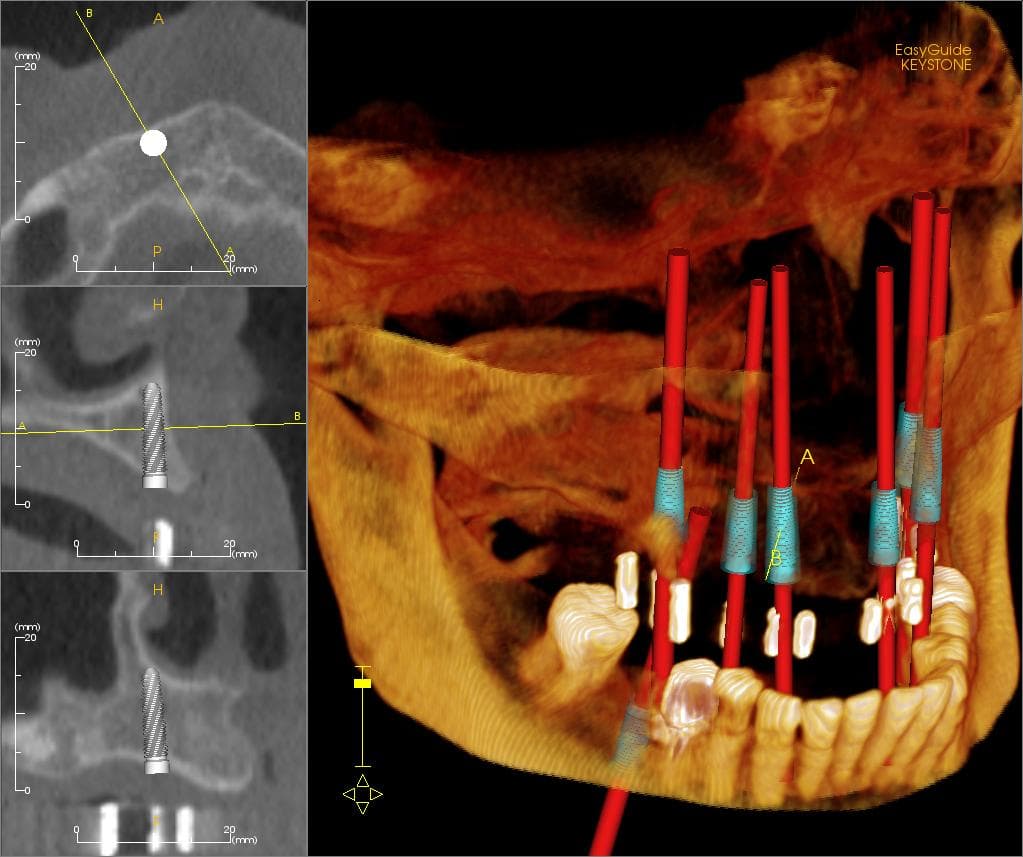
Implant fixtures are often poorly covered, excluded, or parked under a tiny major-dental limit that would not buy the abutment. A “dental extras” table that lists major dental is not a promise that a single implant — frequently several thousand dollars in Perth once the crown is counted — will attract a meaningful rebate.
If you are holding a surgical quote, read what dental implants cost in Perth before you assume extras will close the gap. Ask the fund, in writing, whether item numbers for the fixture, abutment, crown, CBCT and any graft are payable, and what remains of the relevant limit. A verbal “we cover implants” from a call centre is not a payment.
A short method for the next phone call
Use this, then stop rearranging comparison sites.
- Confirm whether you hold extras, not only hospital cover.
- Confirm waiting periods and the remaining annual limits, by person.
- Confirm the clinic can claim on HICAPS and will itemise the visit.
- Confirm whether a preferred-provider gap is worth the drive on a bad day.
- Confirm that a no-gap clean is one line on an invoice, not a treatment plan.
- Confirm whether a child’s work should hit CDBS before extras.
If the first appointment still produces a plan you do not understand, get it in writing and sit with it overnight. Extras are a rebate engine. They are not a clinical opinion, and they are not a reason to rush irreversible work.
This is general information about how extras usually behave in Perth, not personal financial or clinical advice. Policies change; clinics set their own fees; your membership table is the document that pays.