A first dental visit in Western Australia is not a haircut with a suction tube. Someone is about to write a plan that can cost a few hundred dollars or several thousand, and the quality of that hour depends less on the plant wall than on whether anyone took a history, looked at your gums, and explained the films. Patients who have not sat in a chair since a Kalgoorlie posting, a pregnancy, or a bad extraction in 2014 often expect a lecture. What they should expect is a method.
This is a walkthrough of that method, not a ranking of clinics. Dentist Perth does not book chairs. If you still need to pick a practice, start with how to choose a dentist in Perth. If you already know you are afraid, keep dental anxiety and sedation options open beside this piece.
Book the right length, not the first gap
Reception in a private Perth clinic will offer the next available “new patient” slot. Ask how long it is. Forty-five minutes is a workable minimum for an adult who has been away for years. Twenty minutes is enough to polish what the camera can see and miss the crack under an old filling.
Say the actual problem when you book: a child who will not open, a swelling that came and went, a quote from another suburb you do not understand, a dry mouth from blood-pressure tablets, a night-time grind that has started to chip enamel. A practice that only writes “new patient, check-up” on the card is not listening yet.
If you hold extras, ask whether they process HICAPS at the desk and whether they can estimate the gap for an examination and bitewings before you sit down. The guide to extras and health funds is the product map; the first visit is where the product meets an invoice. Concession patients trying the public system should read public versus private dental care in Western Australia first. A public first visit is often a triage, not a comprehensive private-style work-up.
The paperwork is clinical, not bureaucratic
A serious medical history is not a loyalty form. Heart conditions, joint replacements, diabetes, pregnancy, reflux, asthma, bleeding disorders, and medicines that dry the mouth or thin the blood all change what is safe to do in the chair. So do smoking, vaping, and a FIFO roster that means you vanish for two weeks after a surgical extraction.
Bring the names of the tablets, not “the little white ones from the GP in Midland”. If you have an allergy to penicillin or latex, say it twice. If you have fainted in a chair before, say that too. Shame is a common reason people leave the form blank. Blank forms produce surprises under local anaesthetic.
You should also be asked about grinding, sugar, sports mouthguards, and whether anything is loose, sharp, or keeping you awake. Those answers steer the examination. A first visit that skips them and goes straight to a whitening consult is a sales meeting.
What actually happens in the chair
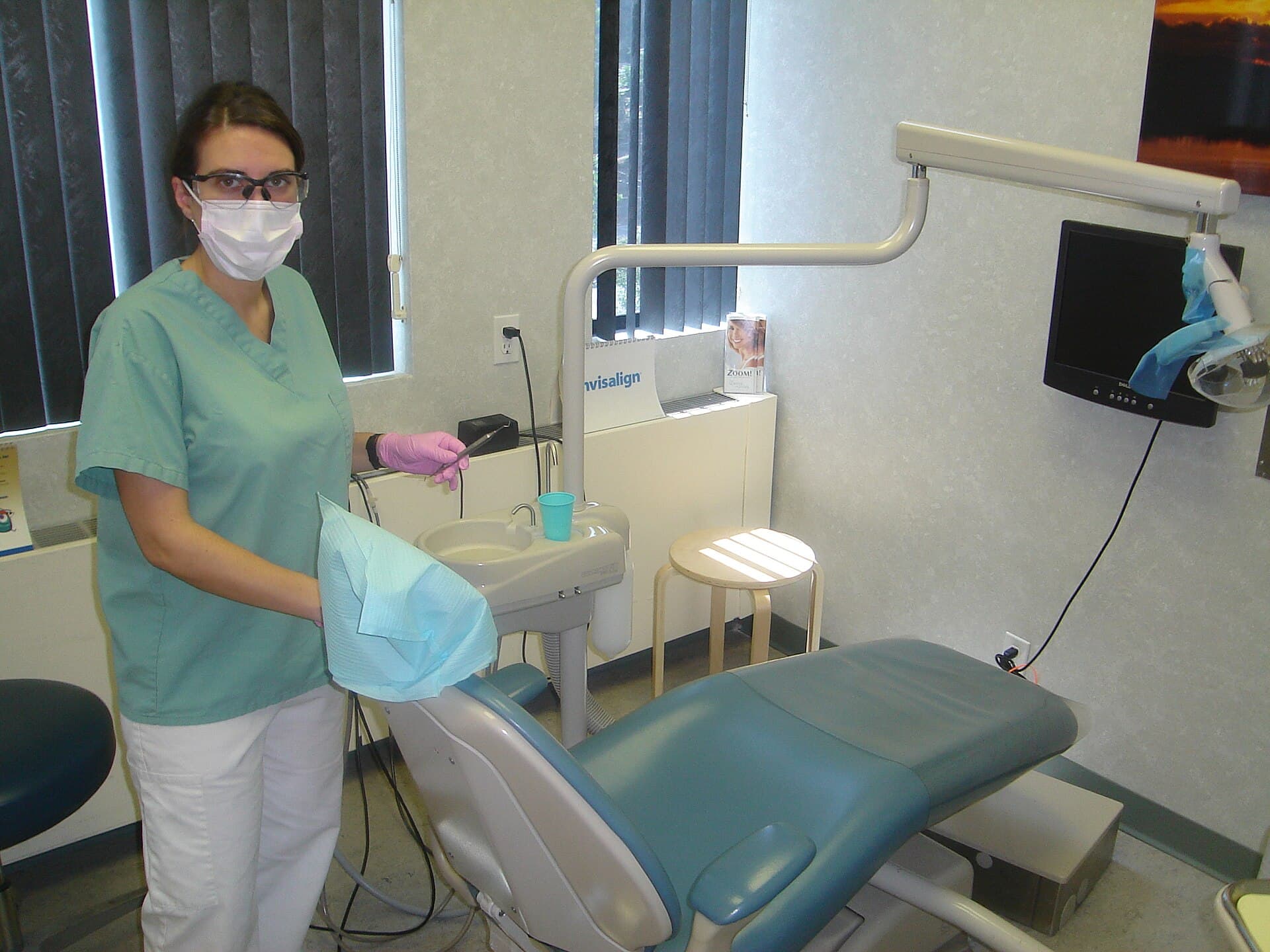
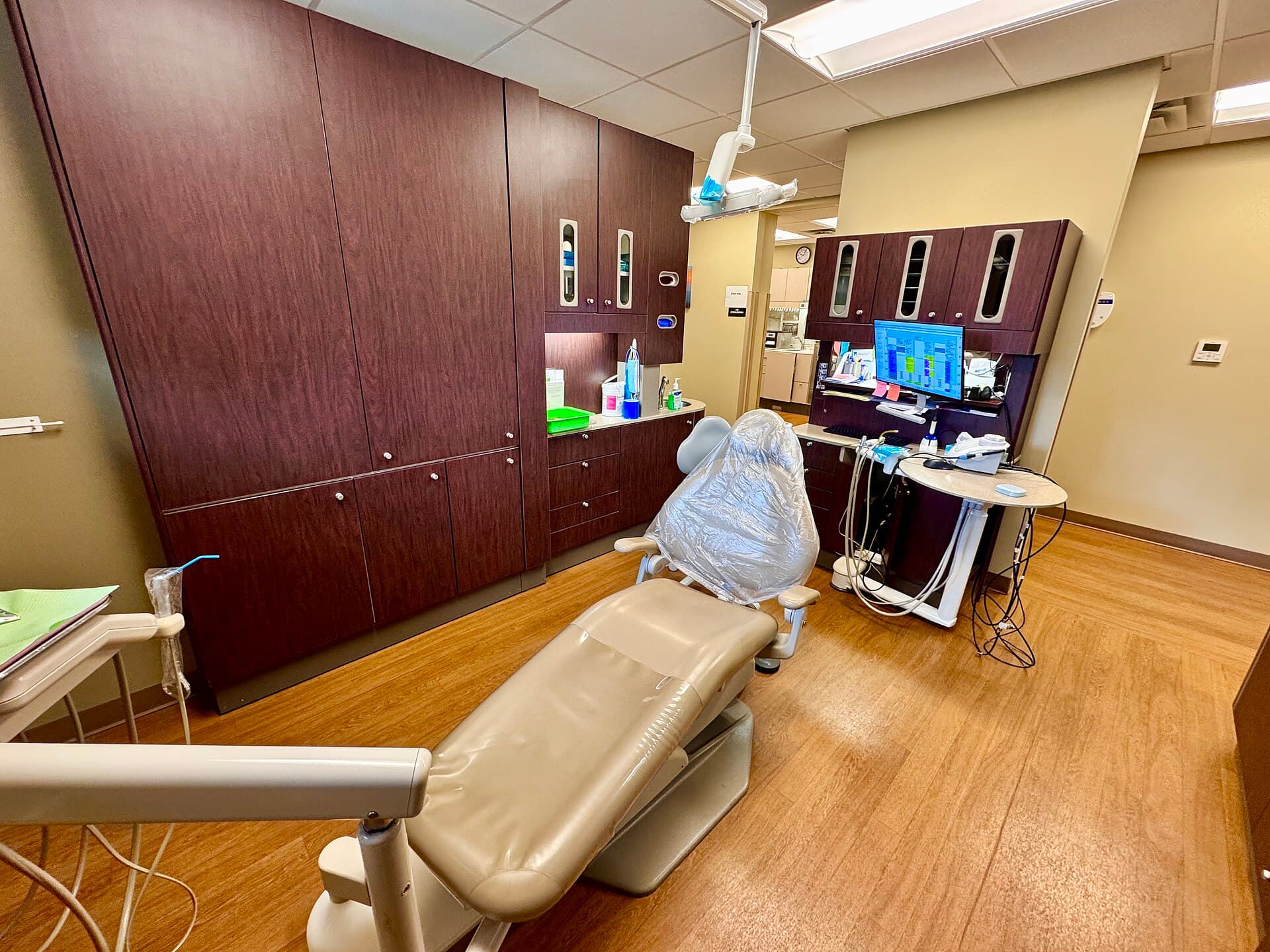
You sit. Someone updates the history. Then the dentist — or, in some books, a hygienist first — looks at the soft tissues of the lips, cheeks, tongue and floor of mouth as well as the teeth. That soft-tissue pass is not theatre. It is how oral cancer screening happens in ordinary rooms, not only in hospital clinics on Mounts Bay Road.
Gums get a chart. A probe measures pocket depths. Bleeding is noted. Bone loss does not always hurt. Patients who came in for a stain on a front tooth sometimes leave with a periodontal diagnosis they did not budget for. That is not an upsell by default. It is a finding. Ask to see the numbers.
Teeth are checked for decay, cracks, leaking margins, and old work that has outlived the cement. The dentist should tell you what they are looking at, not narrate in code to the nurse. You are allowed to ask them to sit you up and show you the mirror or the intra-oral camera. You are allowed to say stop.
A scale and clean may happen on the same day if time and gum health allow. It may be deferred if there is acute infection, or if the book was too short. A clean is not the examination. Treating the polish as the whole visit is how people leave thinking they were “checked” when the bitewings were never taken.
Radiographs have a reason, or they should
Bitewing films show decay between back teeth and bone levels that a mirror misses. A periapical film looks at the root of a sore tooth. A panoramic film (often called an OPG) maps wisdom teeth, sinuses and the jaw in one flattened picture. None of these is a souvenir.
It is reasonable to ask:
- Why this film, today?
- Do you already have recent images I can bring from another clinic?
- Can I have a copy on a disc, a portal, or a secure file?
It is not reasonable to refuse every radiograph because you “don’t like X-rays”. The dose from ordinary dental films is low by medical standards. The risk of missing a silent abscess is not theoretical. If you are pregnant, say so; the practice should adapt, not scold.
If the clinic will not release your own images, walk. Another dentist in Fremantle or a specialist in West Perth can read them. Second opinions are ordinary for irreversible work.
Broad private estimates in Perth for 2025–26, offered only as orientation: a comprehensive examination often sits in the low-to-mid hundreds of dollars; bitewings add tens to a little over a hundred; an OPG is often around a hundred to a couple of hundred. A same-day scale and clean on top commonly lands the first invoice in the low-to-mid hundreds before extras, and higher if the clean is long or periodontal charting is extensive. Inner-urban rooms and after-hours books sit at the top of those ranges. These are not quotes.
You should leave with a written plan
The useful first visit produces three piles:
- urgent: infection, uncontrolled pain, a tooth that cannot wait
- necessary but scheduled: decay, gum treatment, a failing restoration
- optional: whitening, veneers, replacement of a tooth you have lived without
If everything is sold as urgent, ask why. A stained fissure is not a spreading facial swelling. Our piece on questions to ask before you book treatment is the script for the second conversation.
The plan should use Australian Dental Association item numbers, or at least name the procedures in English you can read back to a health fund. “Smile rehabilitation, $12,000” is not a plan. It is a sticker. Ask which teeth, which materials, how many visits, and what happens if you do nothing for six months.
A good clinician will also say what they will not do in that room. Wisdom teeth that need a hospital, a root canal they prefer to refer, an implant they do not place — those sentences are a sign of scope, not weakness. The finding a dentist hub exists because the right first visit sometimes ends with a referral letter.
Children, older patients and the extra chair
A child’s first visit in WA may be a school dental enrolment, a private paediatric-friendly room, or a parent who has finally found a clinic that will not rush. Tell-show-do — show the mirror, count the teeth, maybe a polish — is a technique, not a slogan. Do not promise the child it will not feel like anything. Promise they can stop.
Older patients and people in residential care need a different first visit: medicines, dry mouth, root surfaces, denture fit, and whether they can physically get from the car park in Subiaco to the chair. Bring the carer if consent and history live with them. Bring the denture, even if you hate it.
FIFO workers should say the roster. A treatment plan that assumes weekly reviews in Nedlands will fail on a two-and-one swing. Ask what can be staged around camp.
Public first visits are a different product
Eligible concession patients in the state system often meet Dental Health Services through an emergency or intake appointment. That visit may relieve pain and place you on a list. It may not include the full private-style chart, the cosmetic discussion, or the same-day clean you saw on a corporate website. Fees can still apply. Bring the card, not a story about the card.
Ineligible adults are not being punished. They are being pointed at private care, extras, teaching clinics, or payment plans. If money is the constraint, the costs and cover hub will not invent adult Medicare dentistry. It will stop you treating a cosmetic consult as the only door.
After you leave
You should know:
- what is urgent
- what the first invoice is likely to be, itemised
- whether extras or a public pathway will touch it
- when you are expected back
- who to call if a temporary filling drops out on a Sunday
If something is already swollen or you cannot sleep, this article is the wrong tab. Use the emergency dentist guide or what to do with a toothache tonight. A first comprehensive visit is a daytime task.
Then decide whether that room felt like an examination. If it felt like a showroom, book a second opinion before you book the work. The chair will still be there on Thursday.
This is general information about typical first dental visits in Western Australia. It is not a personal examination and not a recommendation of any clinic. Your own history, films and written plan are the documents that matter.