A toothache forces a fork that marketing language tries to flatten. Keep the tooth with a root canal, or take it out and deal with the gap. In Perth the first path is sold as “saving your smile” and the second as “the cheap option”. Both sentences can be wrong on the same molar. A root canal on a tooth you cannot afford to crown is a stall. An extraction without a plan for the space is a different kind of stall.
This is a decision guide, not a procedure brochure. Dentist Perth does not treat canals or take teeth out. If you are swollen, feverish, or the pain will not let you sleep, use the emergency dentist guide and toothache tonight first. The quiet comparison belongs to daylight and a written plan. It sits in restorative dentistry because both options are restorative choices, even when one of them is an empty socket.
What each option actually is
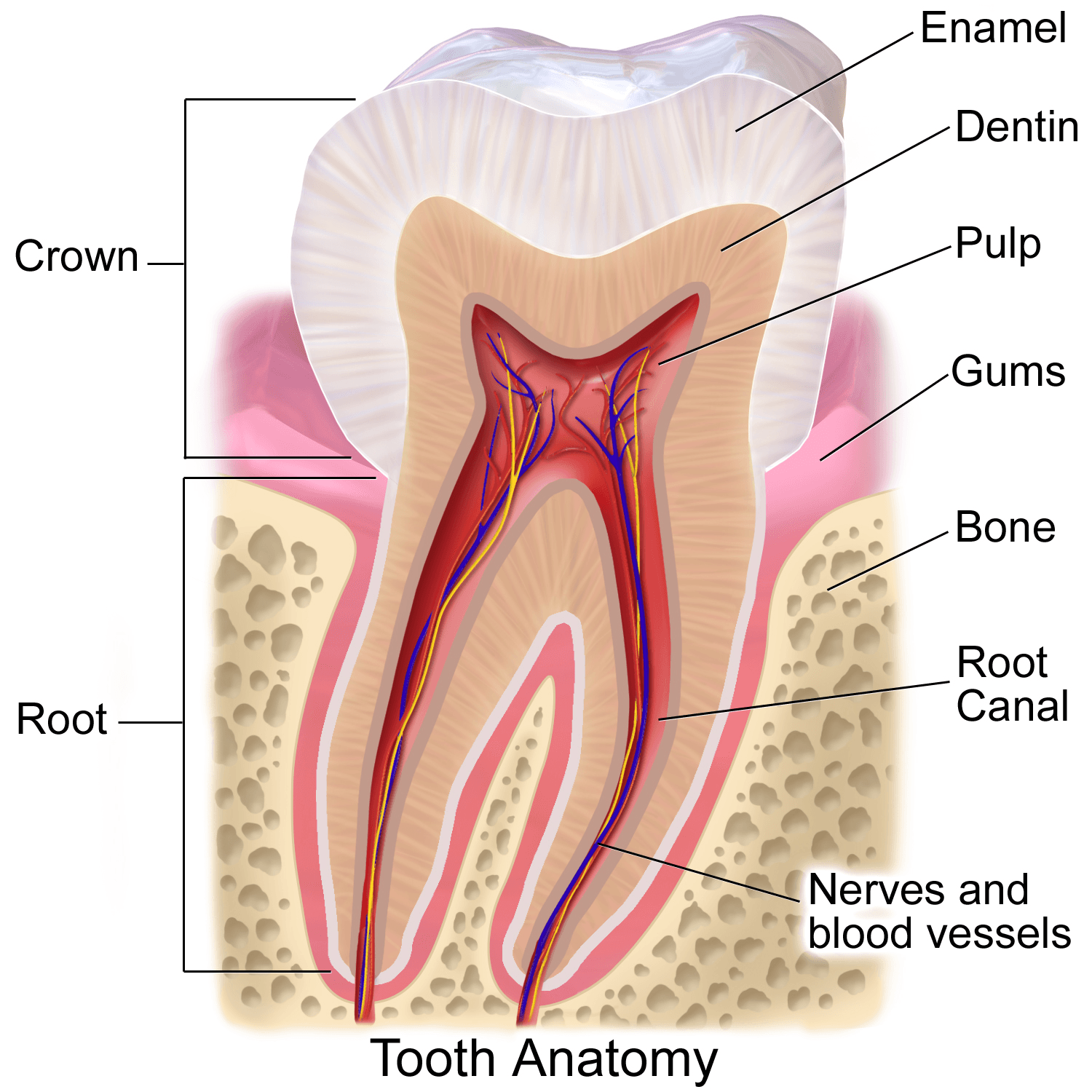
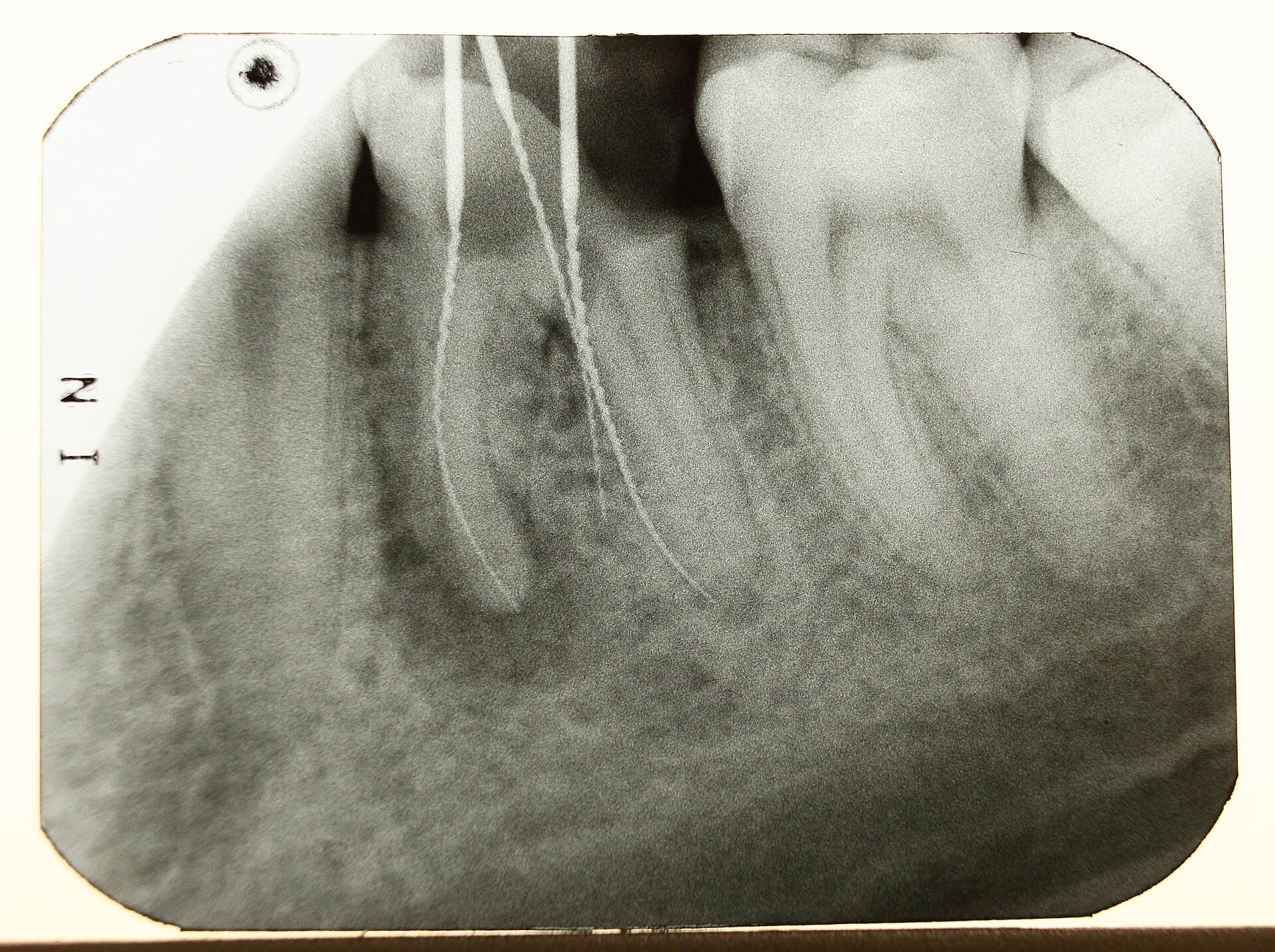
A root canal (endodontic treatment) removes infected or inflamed tissue from inside the tooth, cleans the canals, and fills them so bacteria have less of a house. The tooth stays. You still need a sound restoration on top — often a crown on a back tooth — and a gum and bite that can live with it. It is skilled, sometimes long, and sometimes referred to an endodontist when canals are curved, calcified, or have already been treated once.
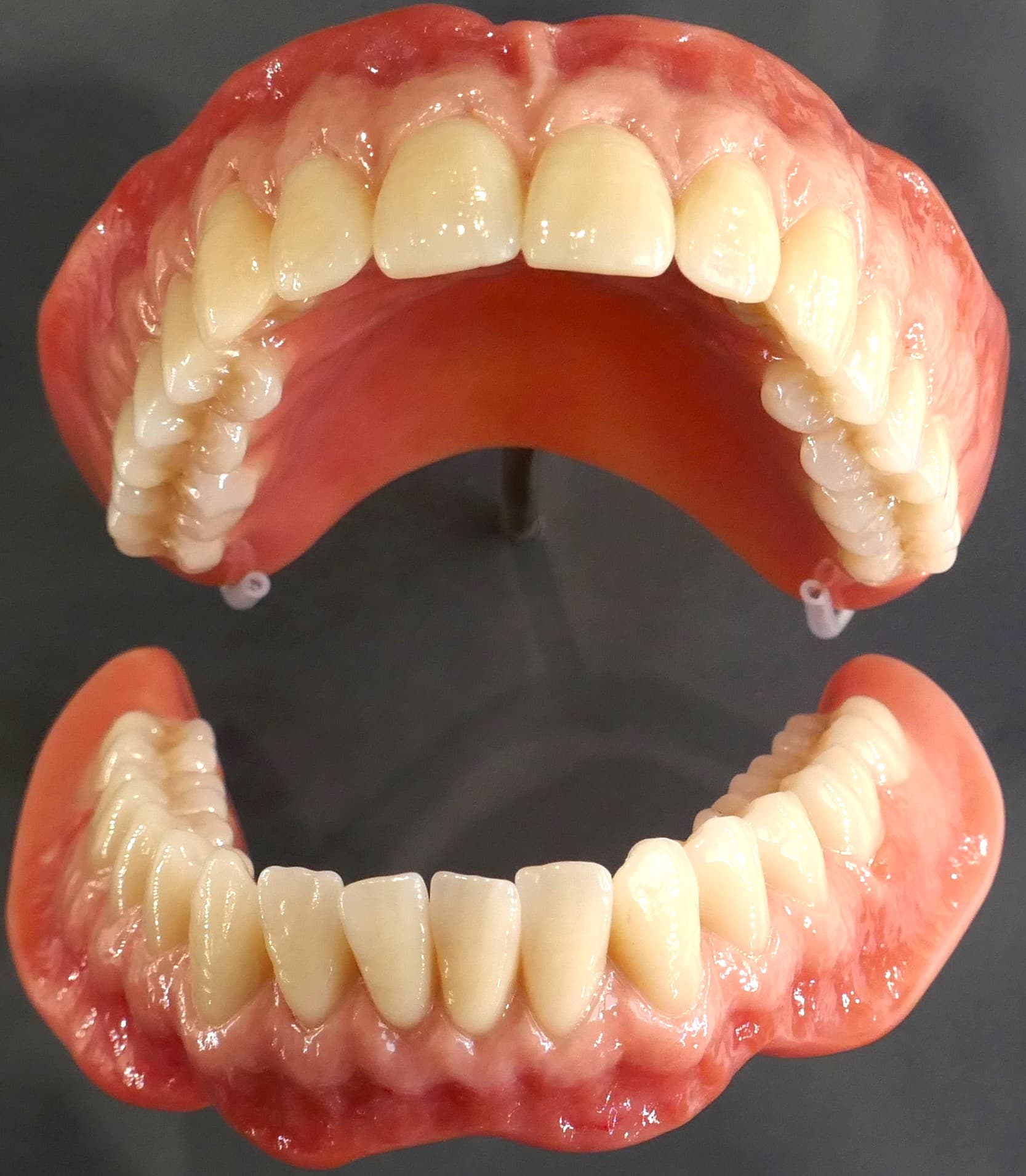
An extraction removes the tooth. The infection goes with it if the tooth was the source. You then have a space. Neighbours can tip. The opposing tooth can drift down. You can leave the gap, wear a denture, have a bridge, or plan an implant. Those replacements have their own fees, visits and failure modes. Dentures versus implants and crowns and bridges are the longer reads for that half of the fork.
Neither option is a moral victory. “I saved it” is a good sentence if the tooth chews for a decade. It is a poor sentence if you spent two thousand dollars on a canal and a filling that split in a year.
When a root canal is the stronger argument
The tooth has enough structure left to hold a restoration. The crack, if there is one, does not run down the root on the film or under the microscope. The canals look treatable on a periapical radiograph. You want to chew on that tooth, not on a denture clasp, and you can complete the plan — including the crown.
Front teeth have a different aesthetic weight. Losing an upper incisor is a public event on St Georges Terrace in a way that losing a badly broken lower wisdom tooth is not. Wisdom teeth are often a poor root-canal bet; see wisdom teeth in Perth.
Medical reasons sometimes favour keeping a tooth: a patient who heals poorly, a jaw that has already lost too many, a bite that needs the back stop. Your dentist should say so in English.
Ask what the chance of success is in this tooth, not in a textbook. Retreatment of an old canal is a different odds sheet from a first treatment on a virgin molar.
When extraction is the kinder plan
The tooth is split. There is not enough ferrule — a jargon word for a collar of sound tooth that a crown can grip. Bone loss is severe. The patient will not, or cannot, return for the crown. The tooth is a wisdom tooth you cannot clean. Cost is not a clinical diagnosis, but it is a real constraint: a canal plus crown in private Perth often costs more, in the same year, than an extraction plus a simple acrylic denture. An implant later will invert that arithmetic.
Some infections around a root are better solved by taking the source out than by negotiating a canal the size of a hair. Some patients have tried a canal, it has failed, and the retreatment quote looks like a second mortgage on a tooth that already hurt twice.
Be honest about extras. Major-dental limits described in the extras and health funds guide often cover only a slice of a crown. They may cover even less of an implant. An extraction can look cheap on Tuesday and expensive in two years when the gap has to be filled.
What it costs in Perth, as estimates
Broad private 2025–26 ranges, for orientation only:
- Root canal on a front tooth: often in the high hundreds to around two thousand dollars, depending on canals and whether a specialist is involved.
- Root canal on a molar: commonly toward the mid thousands in specialist rooms, less in some general practices, more if retreatment or a microscope session runs long.
- Crown after the canal: often another one to two thousand-plus. See the crowns piece for materials.
- Simple extraction: often a few hundred dollars.
- Surgical extraction: more.
- Replacement later: a denture from several hundred to a couple of thousand; a bridge often in the low-to-mid thousands; a single implant all-in often several thousand, as mapped in implant costs.
Public patients who are eligible may meet a different menu and a wait. Public versus private care in WA is the field guide. Teaching clinics exist. None of them make the biology cheaper.
These figures are not quotes. A tooth that needs a core, a post, a lengthened crown margin, or a specialist call-out will leave the range. Ask for item numbers. Use questions to ask before you book.
Pain, visits and the FIFO week
A root canal is often one or two visits in a general practice, sometimes more if the infection is stubborn or a specialist stages the work. You leave with a temporary filling or a temporary crown. You cannot treat that temporary as a finished tooth on a hard roll from a bakery in Fremantle.
An extraction is usually one surgical visit plus a review if it was difficult. The socket needs the week described in after a tooth extraction. FIFO workers should not plan a surgical lower molar the day before camp, and should not plan a two-visit canal if they will be in Newman when the temporary falls out.
Anxiety is a clinical fact. Both procedures can be done with local anaesthetic, relative analgesia, or, in selected cases, a hospital list. Dental anxiety and sedation is the map. Sedation does not change whether the tooth is a good long-term bet.
The question people forget: what replaces the gap
If you extract, say out loud what you will do next:
- leave it, if it is a tooth you can spare and the bite will tolerate a space
- a removable denture, full or partial
- a bridge that uses the neighbours
- an implant, if bone and budget allow
If you cannot answer, you do not yet have an extraction plan. You have a removal. Those are different.
If you keep the tooth, say out loud whether you will crown it, when, and how you will pay. A molar that has had a canal and a large temporary filling is a weekend crack waiting for a wedding.
Second opinions and the radiograph
Ask to see the film. A dark area at the root tip is a common reason for the conversation; it is not, by itself, an order to extract. Take a copy. Another dentist or an endodontist in West Perth can say whether they would try the canal.
If two people disagree, ask each the downside of the other’s plan: a failed canal that still has to come out; an extraction that leads to a five-figure implant you did not want. Our editorial standards exist because before-and-after galleries do not show the tooth that split.
A short method for the consult
- Is this tooth restorable above the gum, on this film, in this bite?
- What is the all-in cost of canal plus final restoration, itemised?
- What is the all-in cost of extraction plus the replacement I would actually wear?
- How many visits, and what if I am away?
- What happens if I do nothing for a month?
Then choose. Saving a tooth is a technical project. Removing it is a technical project. The right one is the one you can finish.
This is general information about a common fork in Perth restorative dentistry. It is not a diagnosis and not a recommendation to treat or extract any tooth. Your own examination, radiographs and written plan are the documents that matter.